Shinkenchiku Residential Design Competition 2018 AI House
Theme AI House
AI (Artificial Intelligence), while still evolving, is accelerating fundamental changes to our environment and values in society. AI that utilizes deep learning can possess independent cognition and acquire imagination and creativity like that of human beings. We are already beginning to see experimentation in AI’s creative ability through visual and performance art as well as writing. This raises questions for the field of architecture. While it may be premature, or perhaps even naïve or simplistic to predict the future of an AI society, we should not deny the potential of architecture to evolve with this new technological revolution.
This transitional moment is also a critical period that poses an opportunity to experiment and investigate, free from preconceived notions; to address important and consequential societal issues; and to collaborate with other fields. Because there are ambivalent feelings towards AI, it is an interesting moment for us as humans to think through the possibilities more radically, and with clarity, before AI begins to think and influence the realm of architecture in the near future.
For this Shinkenchiku Residential Design Competition 2018, I would like participants to imagine a new world that utilizes AI and the possibilities of a house for, with or in an AI society. It has been 95 years since Le Corbusier declared, “A house is a machine for living in.” A house in an AI society may be an existence beyond a “machine” – an artifact with its own agency surpassing human expectations. Here lies the dilemma: we cannot hypothesize beyond what is known to us but perhaps what it means is that a house has the potential to evolve by itself, with a mind of its own.
Of course, for this brief, the most direct method would be to have AI itself engage in the design process, but since it would be difficult at this moment of time, the idea and proposed framework will be key for the design. For example: AI may reduce jobs and the concept of living space as an opposition to a work place will be dissolved; AI may allow greater control of cities and thus a house and city will merge into one entity; housing and mobility may be integrated; the vernacular house will be redefined as an extremely adaptive house specific to its environment, much like terroir culture in the world of cuisine; a house as we know it, an artificial and homogenous space, may become part of nature; or will the house no longer be for humans but for post-humans? There could possibly be a more audacious idea for this house.
Lastly, I would like to emphasize that this competition is open to architects and non-architects alike. When AI starts to think and process architecture, it will undoubtedly address a diverse range of issues across various fields. As such, we should welcome proposals from people from all disciplines. I will be open in judging and am looking forward to active participations and unconstrained expressions.
Shohei Shigematsu
Prize
- WinnerMultiple1,000,000¥
The number of winners and the amount of prize will be determined by the judges.
Schedule
- 2018.01.31 (水)Registration opens
- 2018.05.09 (水)Registration closed
- 2018.10.01 (月)Announcement of the Winner
Guidelines
Entry and Application
To enter the competition, please first register on the competition website. A registration number will be issued by email after the registration form is properly completed. Each applicant should keep a record of this registration number, as it will be needed for submitting your proposal. If there is any change in the registered personal information, re-registration is required. Also, if the applicant wishes to submit multiple proposals, it is necessary to obtain a registration number for each proposal.
• No inquiries regarding the registration number will be accepted once the number has been issued.
• Registration is only available through the competition website.
• Use of mobile phone email address is not recommended since there might be problems in receiving the registration number.Submission Requirements
Contents: Site plan, floor plan, elevation, section, perspective drawing and axonometric drawing at any scale. You are free to include photograph of a model, detailed drawing, other chart. Your submission should include a descriptive text of your design in less than 250 words in English, which must be in 12 point type or larger. Paste this same text in your submission email. All drawings, illustrations, and texts should be laid out on two sheets of A2 (420×594 mm / 16.5×23.5 inches).
• File format: PDF
• File size should not exceed 10 MB (please combine two sheets in one file)
• The registration number must be used as the name of the PDF file of each design entry (e.g., skc0000.pdf).Submission Procedure
Use your pre-registered email address and adhere to the format described below.
1) Email subject line should read: “0000 (your registration number) / Shinkenchiku Residential Design Competition 2019”.
2) Attach your submission file. Be mindful of the file size. Files that do not meet the specified requirements will not be considered.
3) Your email should include the following information: the registration number / full name, age, and profession of all the team members / team leader’s home address, telephone number, fax number (if available), and email address / a descriptive text of the design in less than 250 words.
Note: The amount of emails right before the deadline may overwhelm our internet server, so please do not wait until the last minute to submit your entry. The competition hosts will take no responsibility for submissions that arrive late due to technical issues and will not judge such submissions.Announcement of the Winner
Winner(s) will be announced in the 2018 Octorber issue of SHINKENCHIKU (published on Oct 1, 2018) and a+u (published on Sep 27, 2018) magazines, their digital issues and on the competition website.
Notice
• Copyright of the proposal belongs to the applicant, while the publishing right belongs to Shinkenchiku-sha Co., Ltd..
• Submitted proposals, regardless of the result, may be published on the competition website.
• Questions regarding the competition regulations will not be answered by the hosts. All matters not covered in the regulations listed above are left to the discretion of the entrants.
• Proposals must not have been made public previously in any form. The work must not (in total or in part) infringe on anybody’s copyrights. Do not use images copied from magazines, books, or websites. If a copyright infringement is discovered, the prize may be taken back at the host’s discretion.
• The winning entrants will be requested to submit high-resolution digital data for publication.
• All fees associated with submissions must be borne by entrants.
• Please double-check the contents of your submission. You will not be allowed to replace your proposal after submission.
• Please avoid corrupted texts and broken links. Please embed all the linked files.
• Entries will only be accepted if they adhere to all the regulations.
Judges
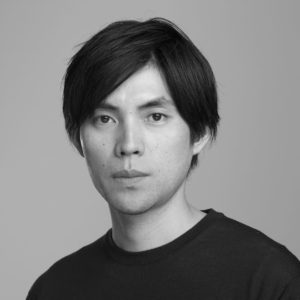
Shohei ShigematsuJury Member
Partner at OMA and has been leading the firm’s diverse portfolio in the Americas for the past decade. Sho has completed a number of projects across typologies, including Milstein Hall for Cornell University, an extension for the Quebec National Art Museum, the Costume Institute exhibition at the Met. He is currently designing an expansion for the New Museum and a new campus for Facebook. Sho is a design critic at the Harvard Graduate School of Design, where he is conducting a research studio entitled Alimentary Design, investigating the intersection of food, architecture and urbanism.
Comments
コンペティション 2018 総評:AIと建築の距離/重松 象平
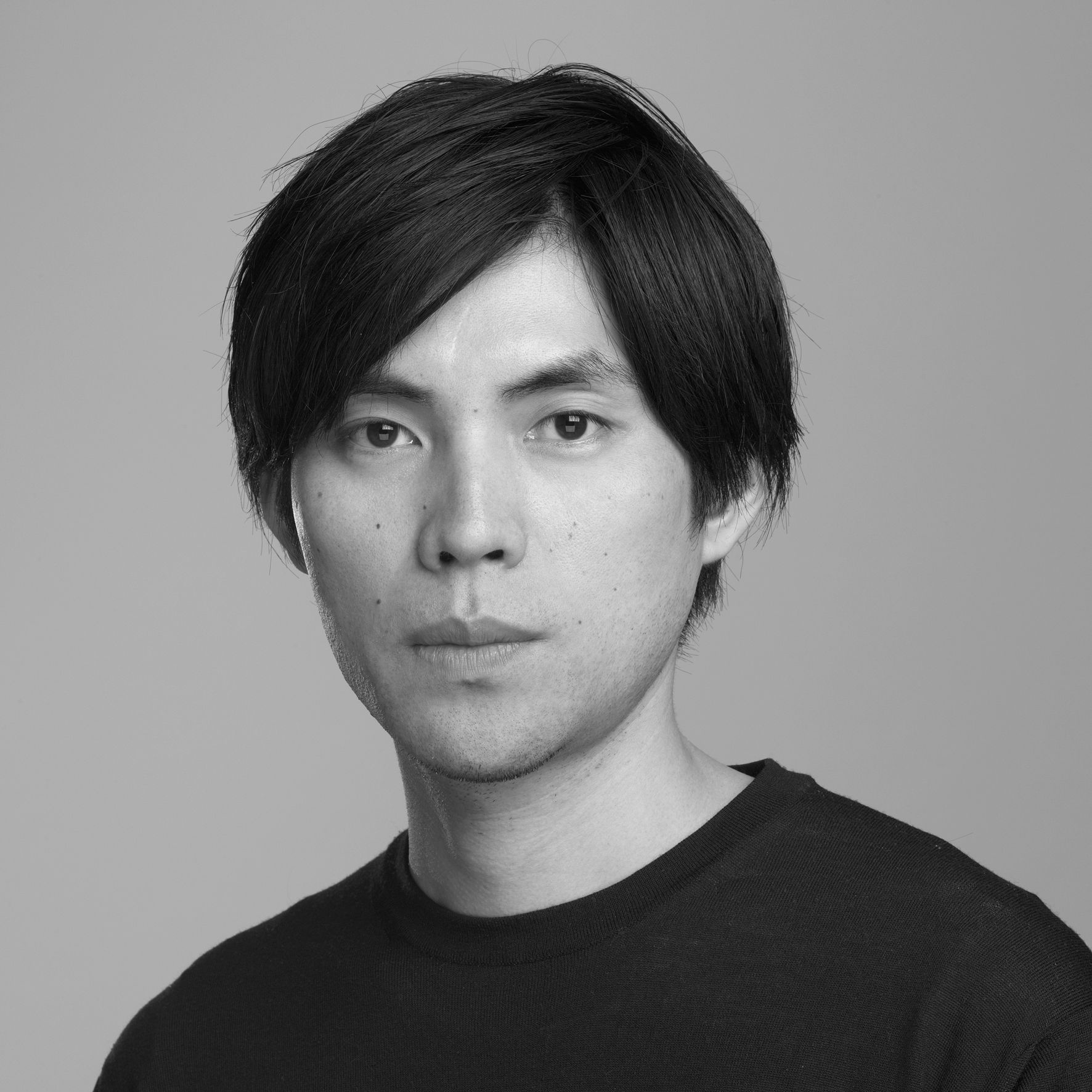
重松 象平 審査委員
AIで本質的に建築が変わるものだろうか.本コンペの課題を見てたくさんの方がたがそう思っただろう.僕個人もテクノロジー楽観主義者ではないので,インターネットが浸透してきた1990年代半ば,「バーチャルハウス」などといったアイデアコンペが盛んに行われていた折,学生ながら違和感を持ったものだ.グニャグニャした形態を正当化するためにまだ得体の知れないテクノロジーの一端を引用しているのではないかと.実際,建築はインターネットでは変わらなかった.だが人びとのビヘイビアは確実に変わった.都市空間の認識や移動も変わった.都市と地方の関係性も変わった.産業も変わった.銀行も物流も出版もアパレルもいまやみんなテック企業だ.そして国も企業も大学もスローガンは「Innovation」になった.そんな強いベクトルが形成されると,必然的にそのようなイニシアティブの根幹に関わる施主も増えてきた.僕自身も「Future」や「Innovation」をテーマにした会議にもよく参加するようになった.今やそれらの言葉が形骸化してきていることは否めないが,いろいろな分野において根本的な再構築が必要に迫られている中,みんなが最先端テクノロジーを活用し,業界を超えてコラボレーションすることが再編のカギになると考えていることは強く感じた.こういった経緯もあり,由緒あるこのコンペのテーマを建築だけでなくいろいろな分野で共有できるものにしたかった.
家には解がない.少なくとも今はそう思っている.言うまでもなく答えがないからこそ探究は継続し,革新も突然変異も起こる.AIは解を出してくる.さらには答えに至った経緯や因果関係を示せない.だが建築的想像力が歴史や事例,美学,法規,工法,環境などの知識の集積の先にあるとしたら,AIの提案は無視できないはずだ.しかし結局AIはまず人によってプログラムされるのだから,先入観を持たずに今人間がその枠組みや可能性を考えることは有意義であると思った.解があるのか解がないのか.提出作品のAIに対する葛藤は多様で,得体の知れないものと対峙する難しさがひしひしと伝わってきた.建築にしようと果敢に挑んだ作品も数多く見られたが,残念ながら現時点では建築として表現することは至極困難だというのが正直な感想だった.そのようなもやもや感は残ったが,幅広い設定と表現を通していろいろな可能性を楽しむことができた.そんな多様なアイディアをなるべく多くシェアするため,方向性が似た作品をグループ分けし,各グループで際立った作品を選んだ.ある意味,この困惑ぶりを直接的に伝えるのが現段階での私なりの解である気がしている.
増本+山地案(1等)は,建築の提案ではない.家が居住者の機微を読み取るスキャナーとなり,そこから得た情報に沿ってAIが各自に特化した都市活動の「プログラム」をレコメンドする.すると絶妙に曖昧なレコメンドを受けた居住者は都市における人や情報や建築と関わる感覚が覚醒し,都市体験が様変わりするというストーリーだ.AIの提案に脈略がないという怖さが,逆に人間が都市をより一層冒険する契機となるようにポジティブに描かれている.「不思議の国のアリス」のように白いウサギを追って都市に迷い込む感じだ.最終的にはAIのレコメンドに従うのかそれとも自分の直感なのか.どちらにしろ都市体験がとても楽しくなりそうだ.トップダウンで考えるシステムの提案というよりはユーザーの視点に限りなく近い平凡さにも好感を持った.AIに対してポジティブであるが,同時にテクノロジーが日々の暮らしにいかに無意識に影響してくるか,その怖さも感じとれる.建築的なアイデアはまったくないため,この作品を1等にするかどうか大いに迷った.だがAIと連動して建築が身体の延長となるという設定から建築の各エレメントを面白くデザインできる気がする.建築も都市も見た目は全く変わらないが,ソフト=プログラムによって空間や都市の体験が劇的に変わり得るという割り切ったスタンスは潔いし,現実性があるとも思った.
吉+徐案(2等)は「ノマディック・リビング」の提案である.AIによる労働,所有,人間関係,モビリティなどへの変化を網羅した優等生的な未来予測だ.建築と都市がAIというインフラによって同化する可能性がいくつかのライフスタイルに沿って描いている.AIは単体の家の進化ではなく,都市的インフラのネットワークを利用した効率化や規格化,超商業化を提案してくるだろうという予測には同感だ.労働や定住という概念が解体することによって生まれる趣味や快楽に特化した建築群に進化を託している点も評価した.しかし各デザインは平凡でダイアグラムの域を超えるものではない.伊東豊雄が80年代に消費社会への批評として提案した「東京遊牧少女の『』」(本誌8512)と全く違う提案ではあるが,30年経っても電子的テクノロジーへのイメージがノマドであるということを少し残念に思う.さらにこのシステムを誰がマネジメントするのか,このシステム下では都市体験が完全に商業化されるのではという危機感や批評性が皆無なのが気になった.「スマート」という言葉を多用する安易さも危うい.
Aliabadi案(2等)は抽象的なマトリックスだ.立方体という限られた型のなかの抽象的なバリエーションの提案であるが故に,逆にいろいろな可能性を喚起させる.平面でも断面でも立面でもあり得るドローイング.実際AIが空間の可能性を模索する時,そのような既成概念はなくなるのかもしれない.スケールを排除しているため図面は都市,街区,建築のどの規模でも読み取ることができるし,それがバーチャルなのかリアルなのかも含みを持たせている.さらにはAIが多様な解を導き出す可能性を楽しんでいるようにも見えるし,その不毛さをシニカルに描いているようにも見える.確かにAIは解を出さずに延々と可能性だけを増大させるのかもしれない.ポレミカルではあるが,空間や表現に新しさがないのが残念だ.
大久保+加藤+田代案(2等)は家がファンクションレスとなり自然やランドスケープと一体化する案の中では,家が媒体となって環境のように常に変化していく感じがうまく描かれていた.ここまでダイナミックに物理的な環境が変化したりまったく仕切りがないと,家としては住めない.だが公園や学校など公共性の高い場所では感覚的な繋がりが生む「進化し続けるパブリックスペース」は意義があるだろう.
真崎案(2等)は数多くあった家が細胞や生命体となる案の中では人間とマインドも家と一体化する雰囲気が上手く描かれていた.しかし胎内や原始的な空間へのアナロジーは短絡的.人間のマインドを通して結合や分裂を繰り返すのであればもっと今まで見たことのないような複合化や結節部のデザインがあり得たはずだ.単体でも集合体でも大して空間が変わっていないのも残念.AI=「家が生命体となる」という発想自体が近未来的であるようで,建築本位で逆に古い気がする.AIはここまで建築だけを進化させるだろうか.
これらの案の他に,ページの都合上,こちらの記事に載せることができなかった5つの作品を選外佳作として,本コンペのホームページに掲載している.彼らの興味深い提案も,是非ご覧いただきたい.
木村案(選外佳作)は建築的表現に挑戦した案の中では,建築としてまとまってないもののあるエネルギーを感じた.もう少し各空間に差があればSF映画などに応用できそうな感じだ.AIがこじらせるとこうなるのかも.
Yue案(選外佳作)はAIのコアをフォリー状に配置することによって家の多様な構成やアクティビティのニーズに対応する提案.メタボリズム的なシステムの提案はたくさんあったが,ケーススタディ,実験的な雰囲気がよかった.
米田案(選外佳作)は都市と住宅が一体化する案の中では一番野心的な力作だ.ユートピア的に描かれているが,まさにディストピアなのが面白い.
石田案(選外佳作)は家が身体の延長となる案の中では,人と人とがフィジカルにつながる多様な可能性をモビリティをも含めて丁寧に考えているところを評価した.しかしデザインはもう少し新しさを追求してほしかった.
Damjanovic案(選外佳作)は家ではなく公共空間に対するAIの可能性を述べている.家という枠組みを超えて考えるのはルール違反かもしれないし,3次元的なデザインは放棄しているが,ただ単に実際AIが公共空間を常に改善するようなシステムを提案してほしいという思いから選んだ.